Turning NYC priorities into practice
NYC Reads and NYC Solves are committed to what works: improving student outcomes with literacy and math instruction rooted in evidence. 95 Percent Group and TouchMath® support that work with evidence-based solutions that strengthen foundational skills, build educator capacity, and provide targeted support across tiers.
Six key considerations for effective implementation science

1. Build a district-wide vision
Both NYC Reads and NYC Solves calls for evidence-based instruction at scale, investments in sustainable change, and the prioritization of equitable learning. We support these turning these initiatives into rigorous classroom practice to support foundational reading skills and foundational math learning.
2. Invest in ongoing support and coaching
Research consistently shows that teachers are most likely to change instructional practice when professional learning is sustained over time and includes active learning, coaching, collaboration, opportunities to practice, and feedback. One-time workshops alone have much smaller effects on classroom practice and student outcomes. Recent systematic reviews continue to reinforce these findings. (Darling-Hammond, Hyler, & Gardner (2017).
3. Align curriculum and instructional materials
Without a systematic approach to literacy and math instruction, students pay the price—spending more energy navigating inconsistency than engaging in meaningful learning. Instructional coherence between supplemental and intervention curriculum and citywide core curriculum is critical to make implementation more consistent, practical, and actionable.
4. Use data and evidence to drive instruction
- Data: Ongoing progress monitoring ensures that students achieve skill mastery, while student-centered data allows all stakeholders to see student-level progress and optimize school-level intervention activities.
- Evidence: Independently validated and proven programs drive consistent classroom implementation. Research study results should show gains across a diversity of populations and learning needs, such as Multilingual learners, low income students, students with special needs—including those with dyslexia, and at-risk students.
5. Plan for tiered intervention
- Literacy: An effective literacy ecosystem aligns literacy instruction across grades and tiers, optimizing learning time with additive, not replacement instruction.
- Math: Bridge the gap between core math instruction and student success with state standards-alignment resources that complements—not replaces—core curriculum.
6. Invest in professional learning
Implementation is more than curriculum adoption. Implementation science consistently shows that successfully adopting evidence-based practices requires more than selecting a curriculum—it is a deliberate, multi-year process involving leadership, implementation teams, continuous improvement, and systems that support educators over time. (Fixsen et al. 2005)
Tiered literacy solutions
One95 Literacy Ecosystem™ connects instructional tiers in our Tier 1, 2, and 3 Solutions through a shared scope and sequence, consistent instructional language, and common evidence-based routines.
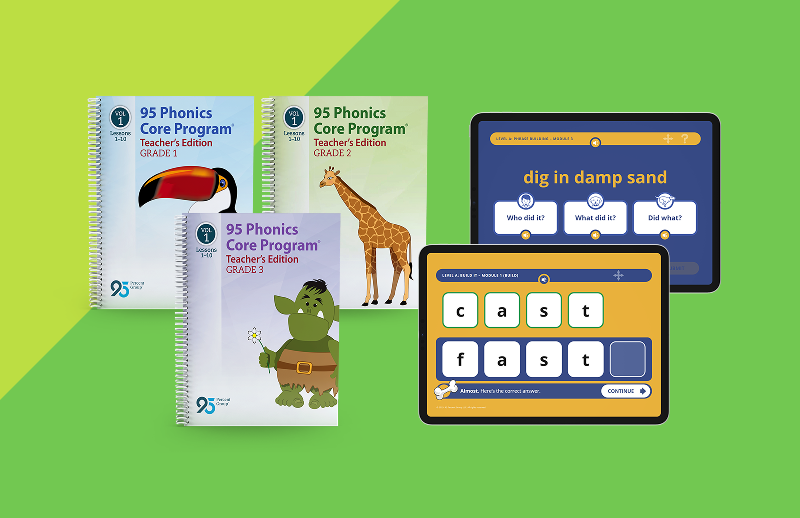
95 Tier 1 Phonics Solution
Our turnkey, easy-to-use solution, which includes 95 Phonics Core Program®, features the perfect mix of explicit instruction and intentional practice, and is proven to support reading success for K-5 students.
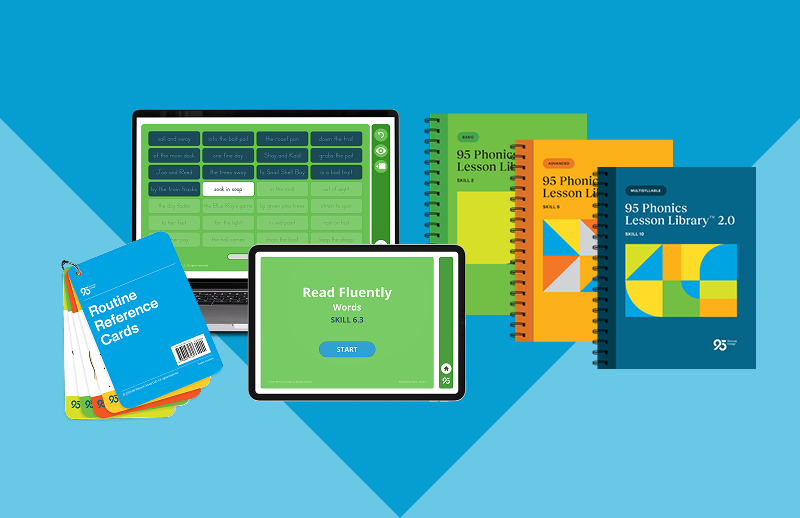
95 Tier 2 Phonics Solution
Are your literacy screeners revealing consistent skill gaps? Deliver targeted intervention that accelerates progress for students in Grades 1 through 8 with a connected, end-to-end intervention solution.
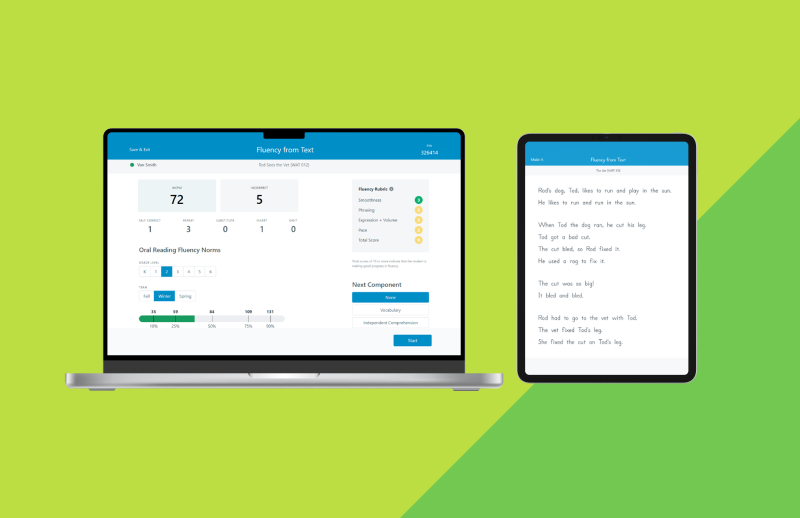
95 Tier 3 Literacy Solution
Provide individualized support for students with the greatest literacy needs, including intensive intervention and SPED populations. Assessment, instruction, and management is delivered by teachers and supported by technology.
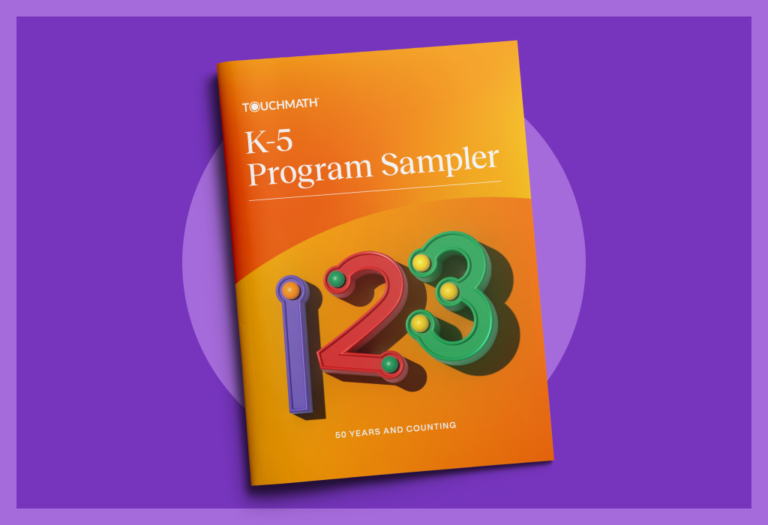
TouchMath®
TouchMath is a proven program designed to help students with learning differences and those who need additional support building foundational math concepts.
Endorsed by the Council of Administrators of Special Education (CASE)
Recognized by the National Clearinghouse on Autism Evidence and Practice (NCAEP)
NCII-validated Math Academic Screener for easy curriculum placement
Incorporates the principles of Universal Design for Learning (UDL)
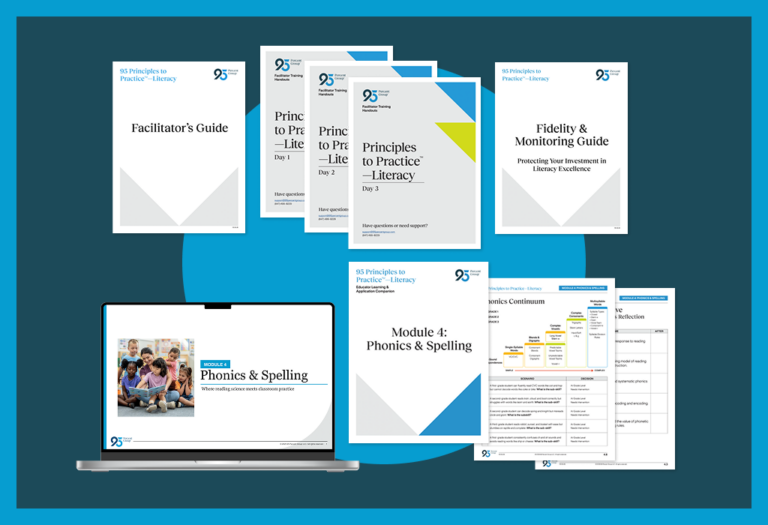
95 Principles to Practice™—Literacy
“95 Principles to Practice—Literacy is the missing link: the sustained, systems-level, capacity-building professional learning that converts knowledge into practice and practice into measurable student outcomes,” Laura Stewart, Chief Academic Officer, 95 Percent Group
Turn science of reading knowledge into consistent daily instructional practice
Train in-house facilitators who sustain implementation over time
Give educators practical routines, shared observation tools, and collaborative structures that build confidence and clarity
Protect and extend the impact of the work you’ve already started for NYC Reads
Frequently asked questions
Here are answers to frequently asked questions about implementation science and our products.
Evidence-based instruction can help educators support students across tiers, learning needs, and demographic backgrounds. For NYC schools and districts, that means providing accessible, inclusive instruction so educators in every borough can respond to diverse student needs without lowering expectations.
NYC Reads is a “systemwide investment” in the science of reading and lasting implementation requires more than one-time training.
Research on large-scale professional learning suggests that train-the-trainer models are most successful when districts invest in ongoing calibration, coaching, communities of practice, and quality assurance. Developing internal literacy leaders helps sustain implementation despite staff turnover and leadership changes. (Professional Development in Education, 2004).
When routine and scope and sequence stay consistent across tiers and grade levels, with only the time, intensity, and skill focus changing, students build on what they already know. Instead of their energy going toward navigating several systems; their energy now goes toward mastering foundational skills.
Yes, the New York City Department of Education has reviewed 95 Phonics Core Program® as part of its High-Quality Instructional Materials Knowledge Building Curriculum. Compatible with NYC Reads’ core instructional programs, it gives NYC educators a practical way to strengthen critical phonics skills and reduce intervention needs.
Designed with guidance from the Every Student Succeeds Act (ESSA), our studies meet the highest levels of evidence:
TouchMath has research being processed by What Works Clearinghouse (WWC), along with additional studies.
TouchMath is aligned with New York Next Generation Learning Standards complements the NYC Solves approved core curriculum: Amplify Desmos, Illustrative Math, and i-Ready classroom math.
Fill out the form to access this standard alignment and three curriculum bridges.
Resources
- Fixsen et al. (2005), Implementation Research: A Synthesis of the Literature; National Implementation Research Network (NIRN) Active Implementation Frameworks.
- Darling-Hammond, Hyler, & Gardner (2017), Effective Teacher Professional Development (Learning Policy Institute); Frontiers in Education (2025), systematic review of effective professional learning.
- Professional Development in Education (2024), conceptual framework for scaling train-the-trainer professional learning.
Contact us
Looking to learn more? Contact us today and your dedicated NYC representative will be in touch!